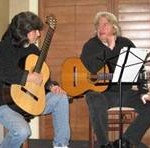
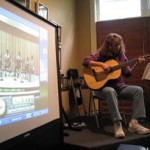
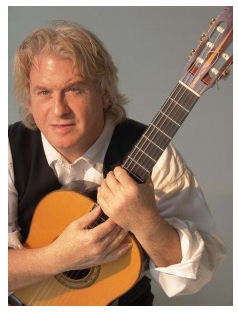
William Jenks and the Portland Classic Guitar Series will be presenting an end-of-the-season benefit concert for the series itself on Friday, June 10th, 8 pm at Marylhurst’s St. Anne’s Chapel. I am happy to be joining William, Peter Zisa, and the Oregon Guitar Quartet for a short set of Bach in a performance to help keep this fantastic series afloat.
William has brought some of the biggest names in the guitar world to our doorstep, and now it’s time to help keep this series alive. So mark your calendars for Friday, June 10th, at 8 pm in Marylhurst’s St. Anne’s Chapel. (Ticket information at the bottom of this posting). Continue reading →
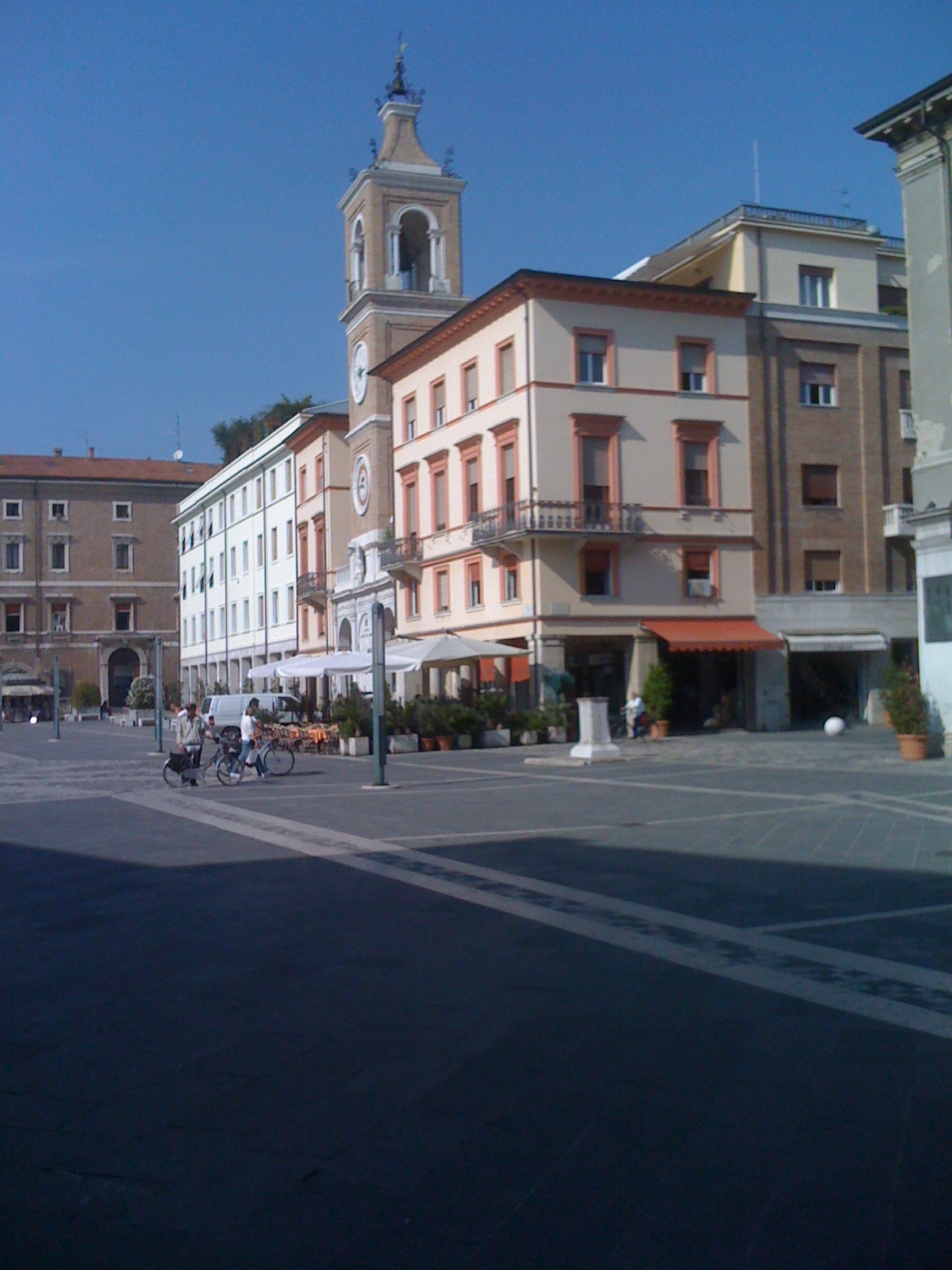
Join Scott Kritzer in a week-long Guitar Master Class & Performance at the International Classical Guitar Competition in Rimini, Italy. The Master Class is set for August 29th – September 3rd, 2011, at Istituto Musicale Pareggiato G.Lettimi di Rimini & Teatro Francesco Rosaapina di Montescudo.
Guitar Vacation is a fantastic opportunity to explore the classical guitar and the beautiful coastal town of RImini, Italy. With accommodations at Hotel Azzurra (just one block from the Adriatic Sea), you’re steps from fine restaurants and white sand beaches. A short hop into old town (where our master classes are held), will reveal historic architecture and charming shops. Continue reading →
Classical Guitar Immersion 2011 [SOLD OUT]
June 17th to June 24th, 2011
Menucha Retreat Center
Corbett, Oregon
Built around the method for classical guitar by Scott Kritzer, CGI is an intensive learning experience exploring technique, performance skills and musicianship in a relaxed learning environment suited for beginners and advanced players alike.
Scott’s deep understanding of music, combined with his worldwide performing experience and relaxed teaching style, combine to greatly raise the level of each student.”
-Mike Hurley
Classical Guitar Immersion – What is it?
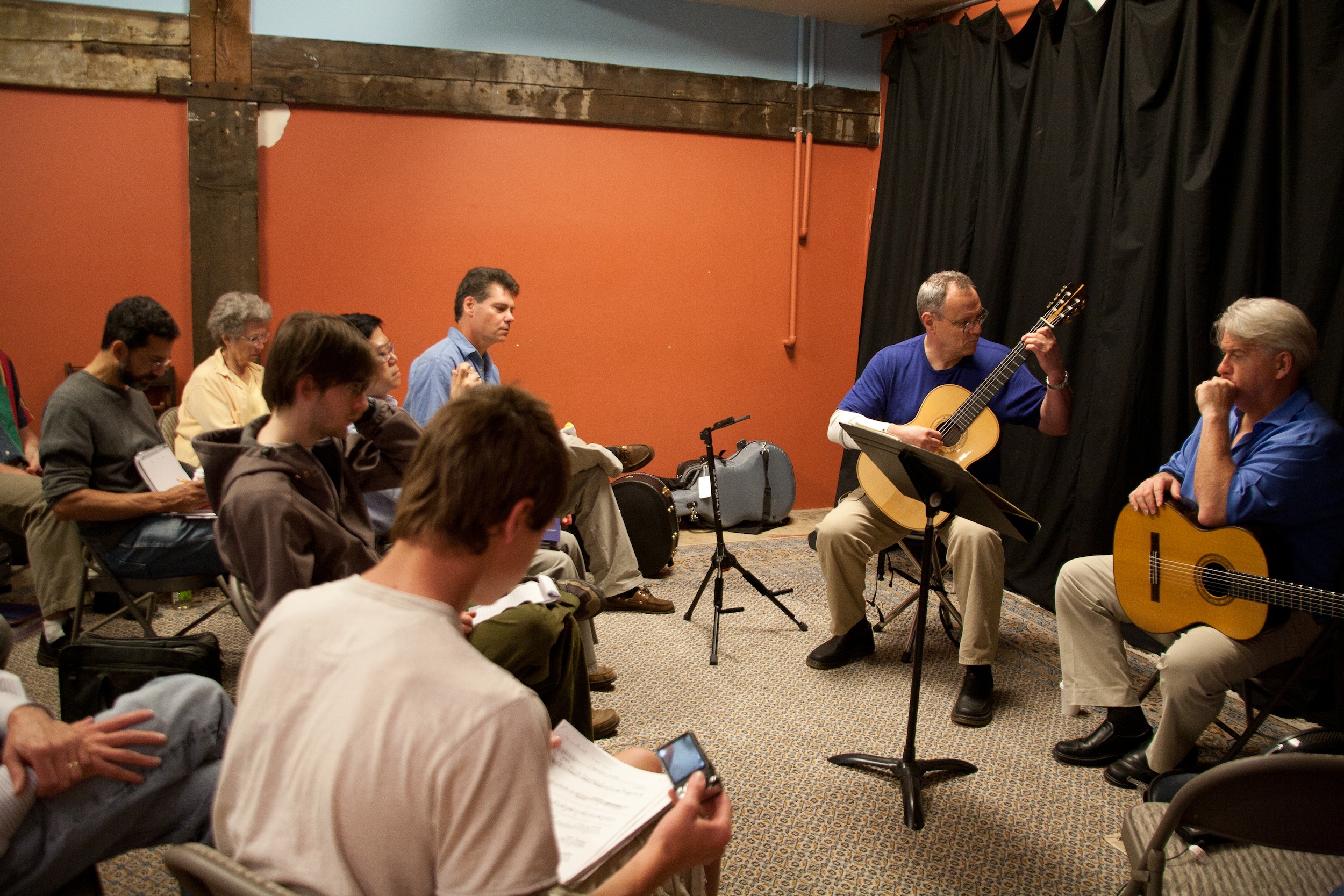
2010 CGI Master Class
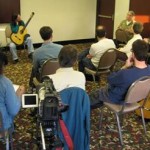
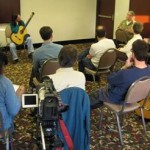
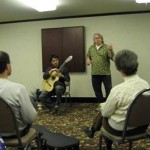
Students at CGI are immersed into a methodology with regards to technique, practice, and performance skills. The immersion happens through Workshops (PAR and Master Classes), Ensemble Rehearsal, Lectures, and interaction with the other performers. Continue reading →
Melody has always been an important part of my approach to playing the classical guitar, but recently, I found a new way to use melody to help with interpretation as well as the avoidance of learning mistakes.
[Note: You’ll find audio between myself and student Doug Campbell where each step of the process is demonstrated.]
Early attention to melody started for me with a concert. While attending the San Francisco Conservatory of Music, I had the opportunity to hear the Dutch soprano Elly Ameling with accompanist Donald Baldwin. Ms. Ameling’s lyricism transformed my playing: after the concert, I worked for hours trying to replicate the natural legato of her voice. I brought out melody everywhere I could, and by the wee hours of the morning, I had developed a new area of lyricism on the guitar!
My teacher Michael Lorimer was a master at the lyrical art. Through him I learned to control voices, bring out the melody through balance, connect the melody with legato, and move the melody through time, with attention to playing in rhythm. Lorimer himself was transformed by another lyrical player: his teacher, Andres Segovia. I found myself drawn to working with singers, (three tenors, two baritones , and a lyrical and coloratura soprano over my career so far). I loved the sound of the human voice, and found accompanying this perfect instrument to be most enjoyable. My interest in singers culminated in my work with American soprano Janet Chvatal and the formation of the popular Chvatal/Kritzer Duo.
But my latest concept (how to extract and re-integrate the melody) came from a recent visit with guitarist John Williams. Mr. Williams mentioned the limitation of the guitar’s ability to voice a specific line. Because solo guitarists are responsible for all the parts of a piece, we often can’t make the same choices as we would if we were a solo line instrument (such as the flute, or even, to some degree, the violin or cello). If we could, we would certainly finger many of our melodies on different strings and in different positions. Williams broke down a simple Study by Fernando Sor into parts, and played each line separately, re-voicing it for optimum musical quality.
After our meeting, I began thinking more about melodic extraction. Although a compromise must take place when playing a solo instrument, I began to wonder if there was a better approach to understanding the musicality of the melody.
One might ask Why extract the melody? Certainly the suite of voices would be helpful, but the melody contains the most direct access to the composers musical intentions with regards to phrasing. Ask yourself, what differentiates one piece from another? Is it the rhythm, the harmony, or the melody? It’s most often the melody. Continue reading →
Phase I Primary Skills for the Classical Guitarist — Introduction
Introduction
Phase I — The Technique of Primary Skills, Part 1
The serious classical guitarist who wishes to study, play, and ultimately perform on the classical guitar needs a strong technical foundation. This strong technical foundation can be achieved when our hands are working with optimal strength and coordination. Optimal strength and coordination can be achieved by applying bio-mechanical principles to both the positioning and movements that are required to play the classical guitar in an efficient manner.
The benefits of playing with a good technique should be obvious: primary skills, first applied to develop strong scales and arpeggios then mapped into repertoire, will give the player the ability to play at his or her highest level, unencumbered by technical difficulties. Ultimately, the player with a strong technique has more ability to perform with confidence and expression.
Yet another advantage is longevity. While poor technique will slow most players, cause more errors, and require more effort to play than necessary, equally inhibiting can be the effect of the wear and tear resulting from improper technique, often shortening the careers of even the most talented of players.
The Old Church
Sunday, June 19th, 2011
4:00 pm
1422 SW 11th
Portland, Oregon
(Ticket information below)
Early this summer I’ll be showcasing works that I’ll be recording on my upcoming all Baroque CD later this year. While attending the San Francisco Conservatory of Music, I was introduced to the intricacies of Baroque performance practice. Information that had been unearthed mid-century brought a whole new light on this style of music, which previously had been considered, well, rather uninteresting.
In Baroque music, more than in any other classical period, the notes require an almost rewriting. Players learn to manipulate both rhythm and pitches by way of ornamentation with an air of improvisation. It’s almost more like jazz than classical music.
I’m excited to revive some of these works in guitar arrangements by my former teacher Michael Lorimer. These works were originally written for lute, organ, cello and harpsichord, and before Lorimer, were previously unheard on the guitar.
Featured on this program is a number of premiere performances of yet-unpublished arrangements by guitarist Michael Lorimer, including Bach’s Prelude and Fugue BWV 539, originally for organ. I’ll also be performing four works all titled Tombeau pour Mr. Blanchrocher. A ‘tombeau’ is a musical lament from the late Renaissance and Baroque periods. Two were originally written for lute (these will be premieres), and two for harpsichord. Four different composers are represented: Dufaut, Gaultier (lutenists) and Couperin and Froberger (harpsichordists). The tombeaux on this Father’s Day program are all dedicated to one person; lutenist Charles Fleury also known as Sieur de Blanchrocer. Mr. Blanchrocer died infamously by falling down a flight of stairs. The tombeau by Froberger depicts this event with a final descending scale. (Apparently Mr. Blanchrocher died in Froberger’s arms). Continue reading →
Following the success of the first annual Classical Guitar Immersion conference in 2006, founders Scott Kritzer and Karla Fisher recreated the powerful event at Lewis and Clark College in Portland, Oregon, June 17-23, 2007.
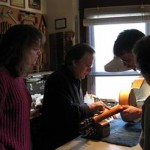
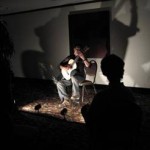
The following is their description of the event and images from the week long conference bringing together a small but passionate group of classical guitar players from around the world to meet and study in master classes with Scott Kritzer and other professionals and experts in the guitar industry.
Founded by Scott Kritzer and Karla Fisher, with the help of Kritzer’s students and online community, The Classical Guitar Immersion conference was first held in Portland, Oregon, April 19-23, 2006.
The event was a dream come true for Krtizer and Fisher, bringing together classical guitar players of all levels from novice to advanced and professional from around the country.
The following is their description of the event and images from the week long conference.
Gone are the days of the long master classes. During the 70’s one week, more frequently two week classes were taught by the greatest teachers of the day. These long, intensive classes, where you could brush up, maybe even perform for, some of the greatest players of the day, have given way to short one or two day workshops. A player comes into town, plays a concert and the following afternoon gives a class – a hand shake and a kiss on the cheek if you’re lucky.
The Classical Guitar Immersion event is designed to bring back this intensive six day learning experience to serious adult classical guitarists. This is not just ANOTHER classical guitar festival or event.
The week long intensive conference is designed to be a complete immersion into classical guitar, covering performance and practice tips and techniques, hands on workshops with world class guitar professionals and experts, private lessons, and master classes that help the guitar student perfect their technique.
The event features several performances for students and teachers throughout the week.
Fantasy on E Lucevan by Glenn Morley A work written for the Chvatal/Kritzer Duo and orchestra. February 14th, 2022 (available on all streaming platforms)