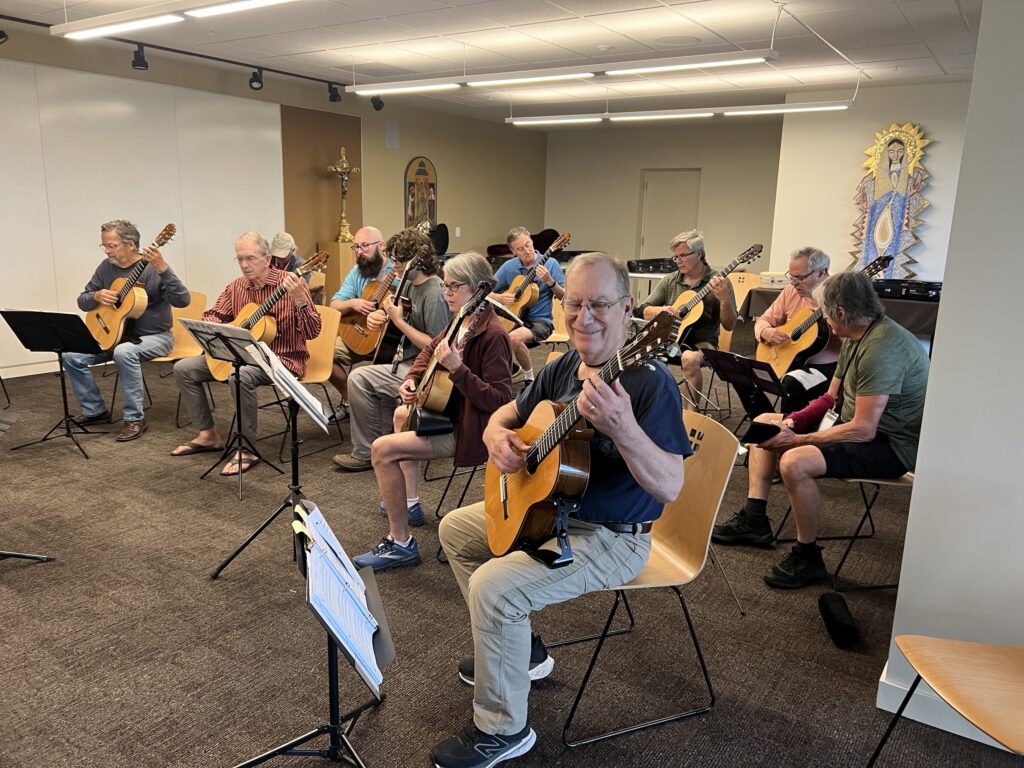
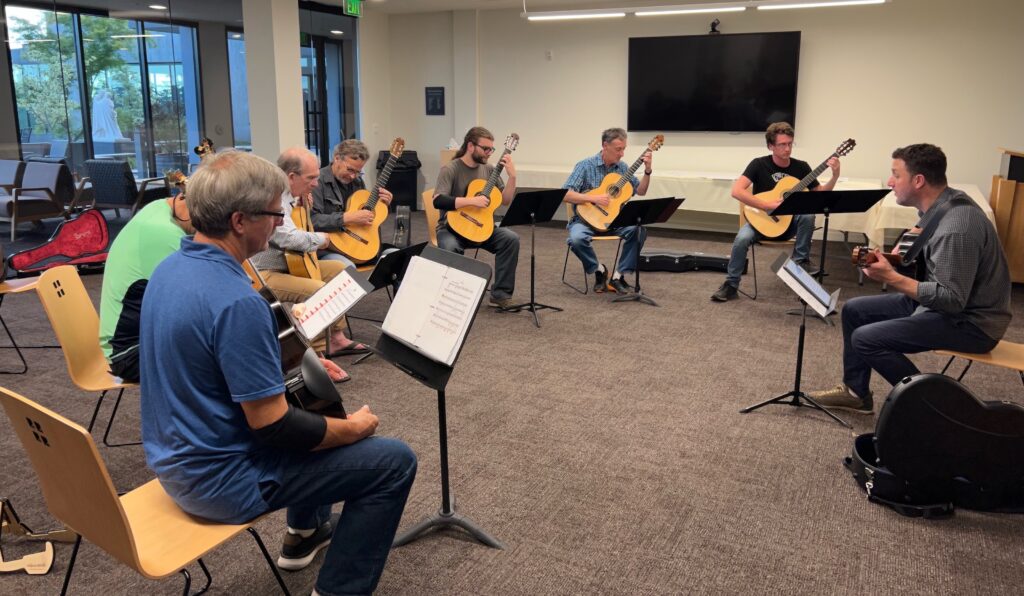
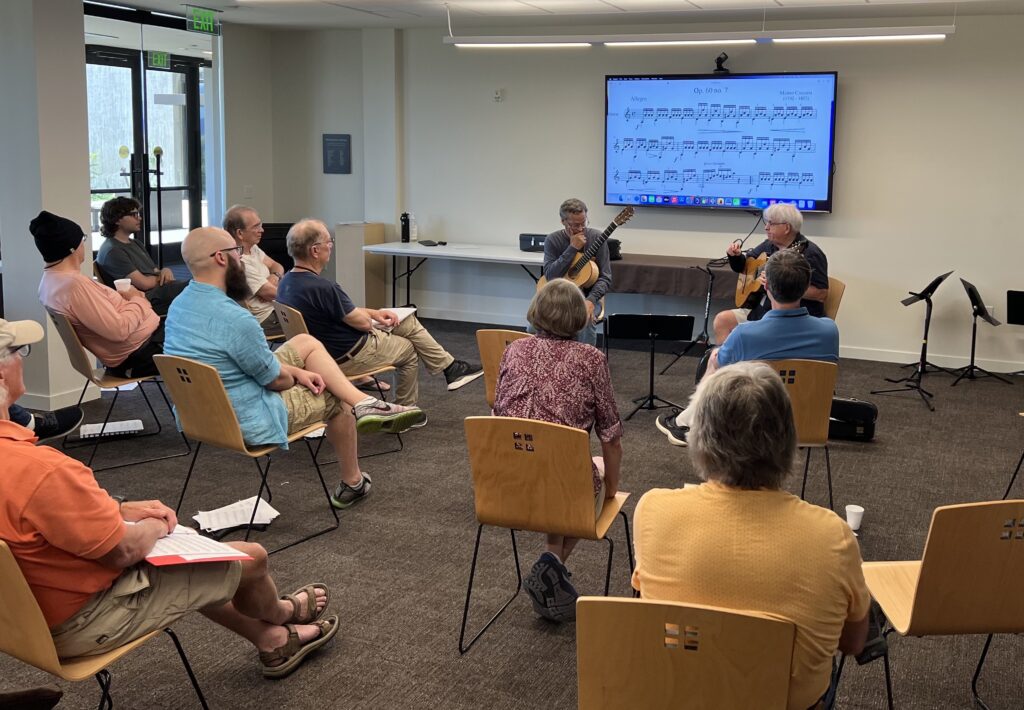
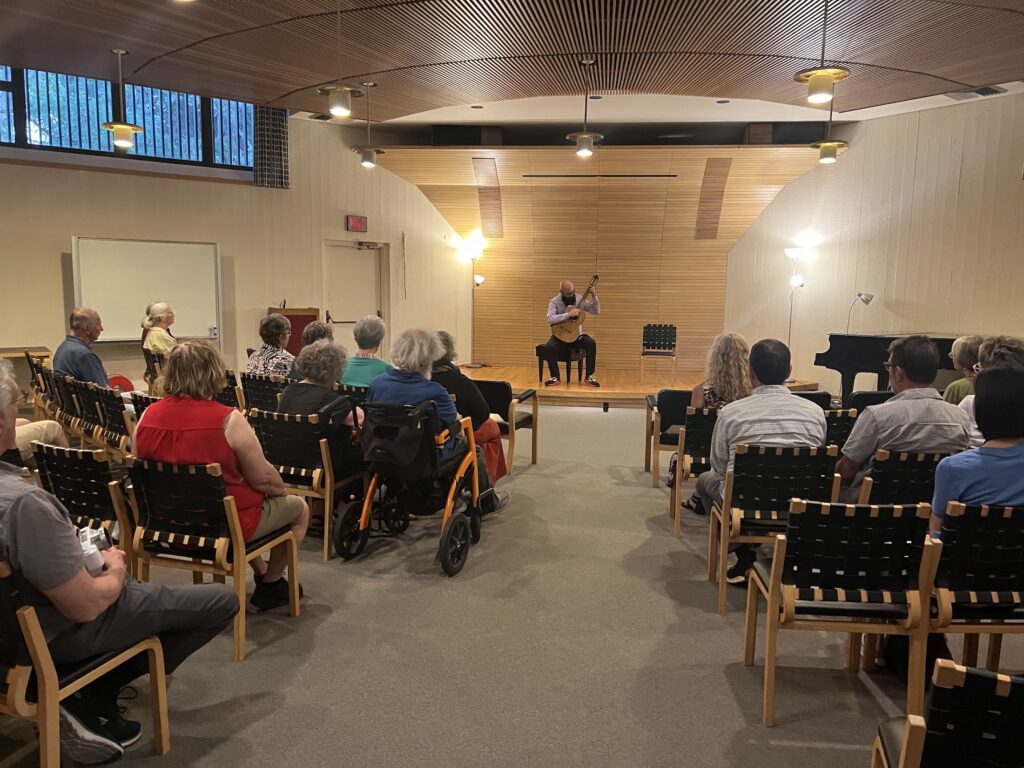
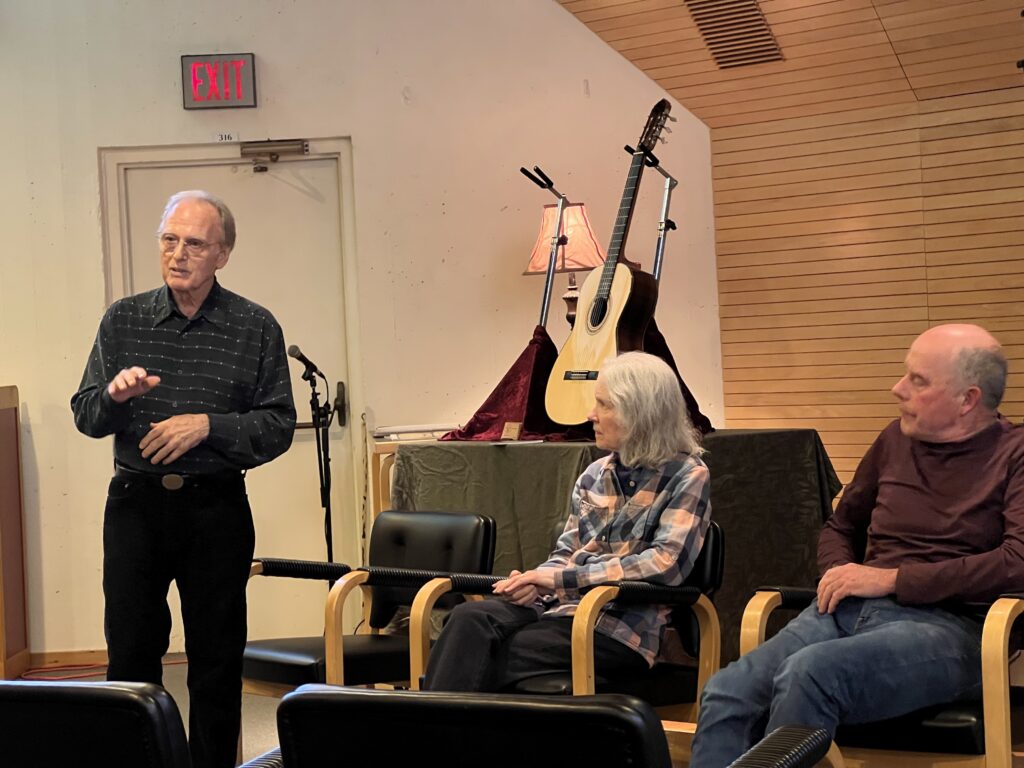
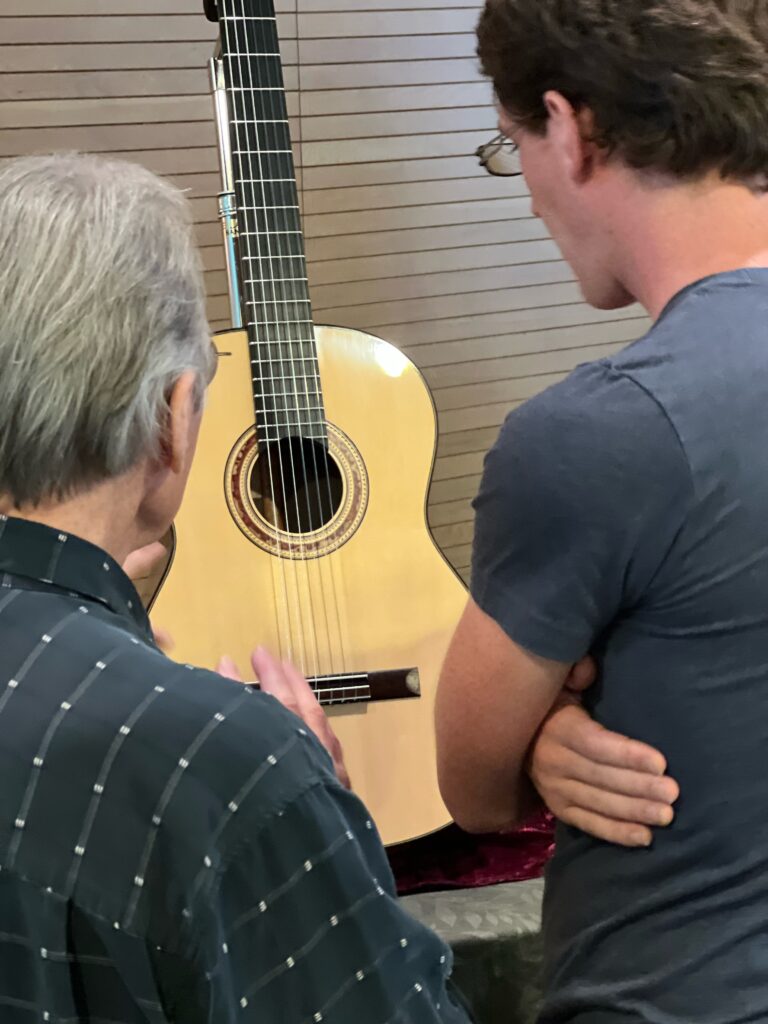
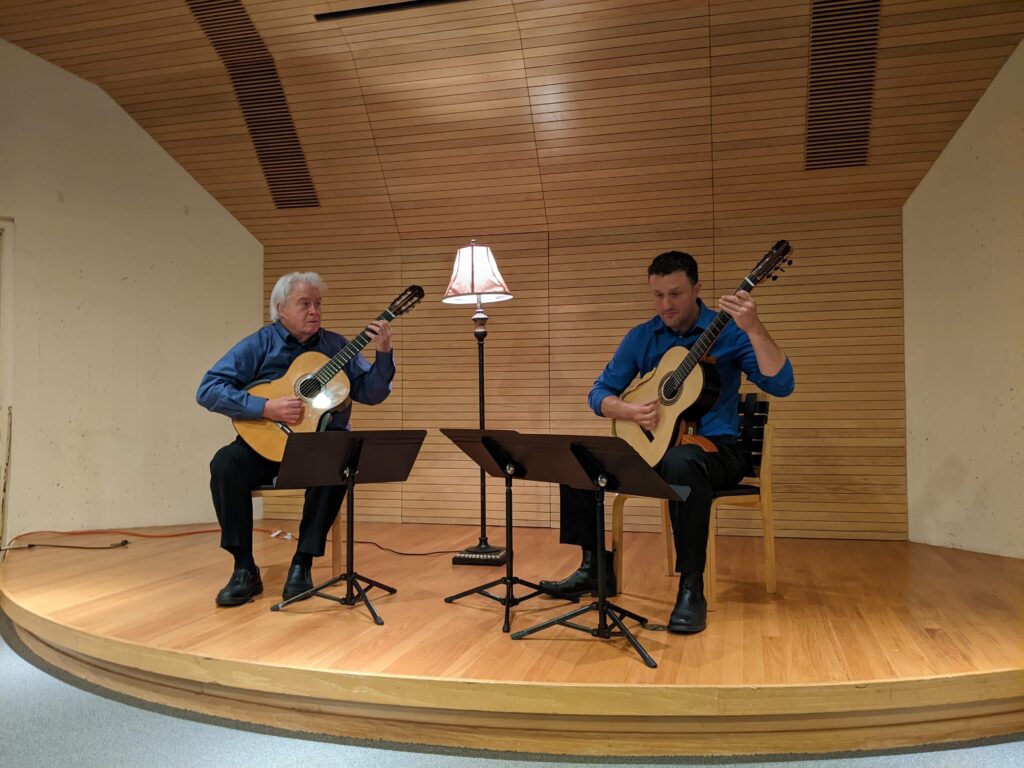
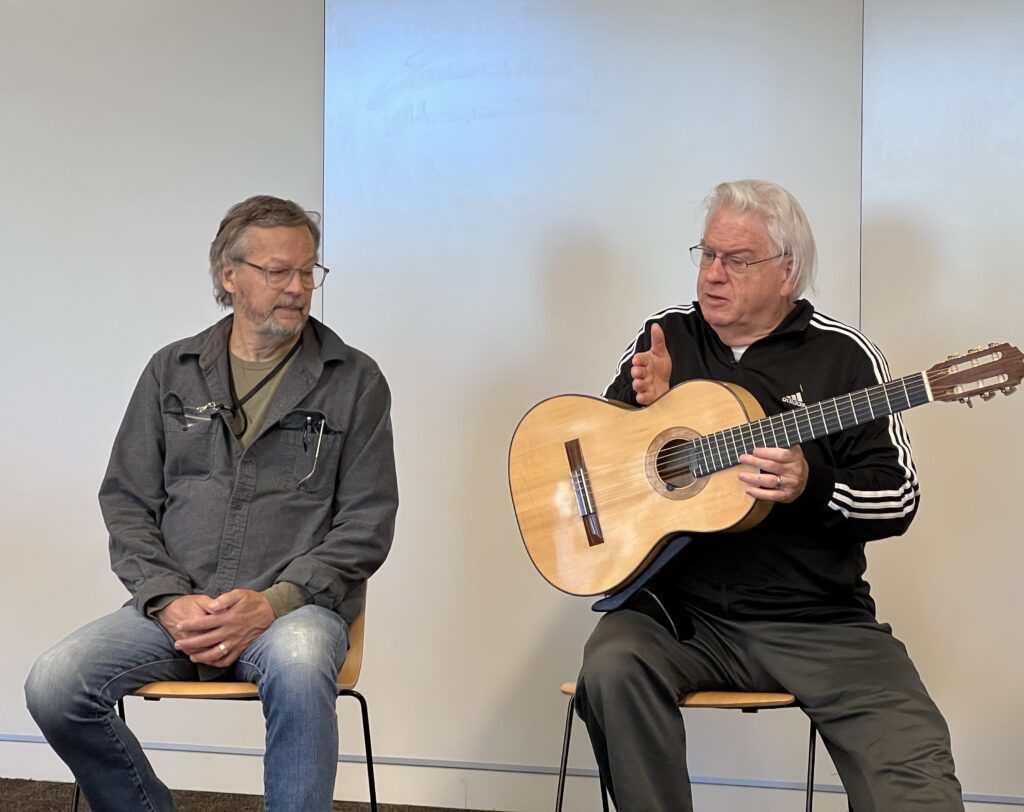
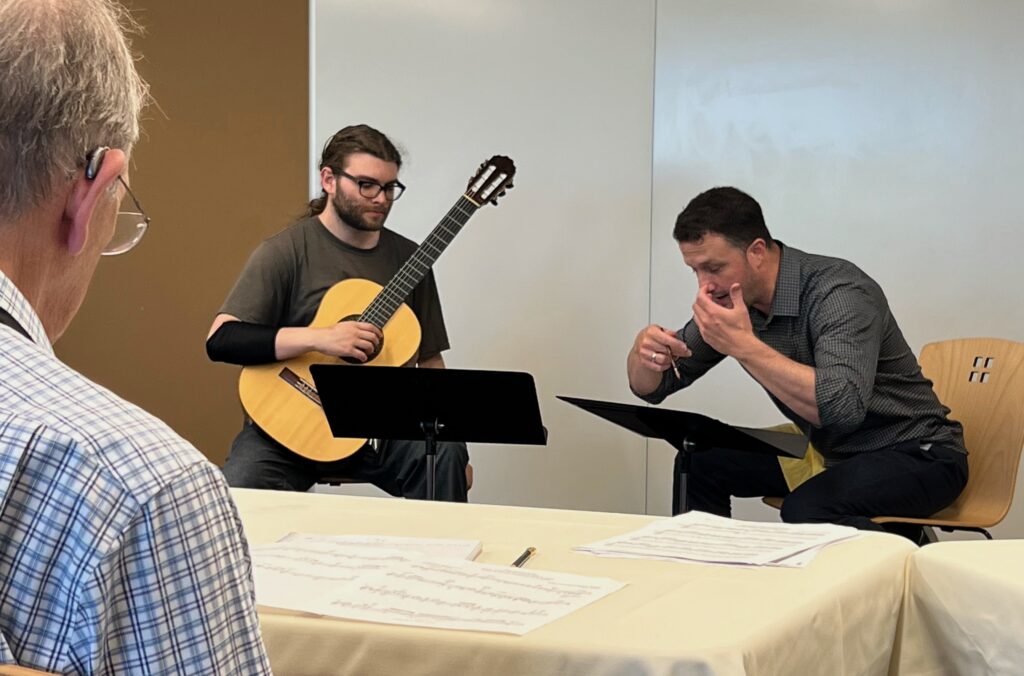
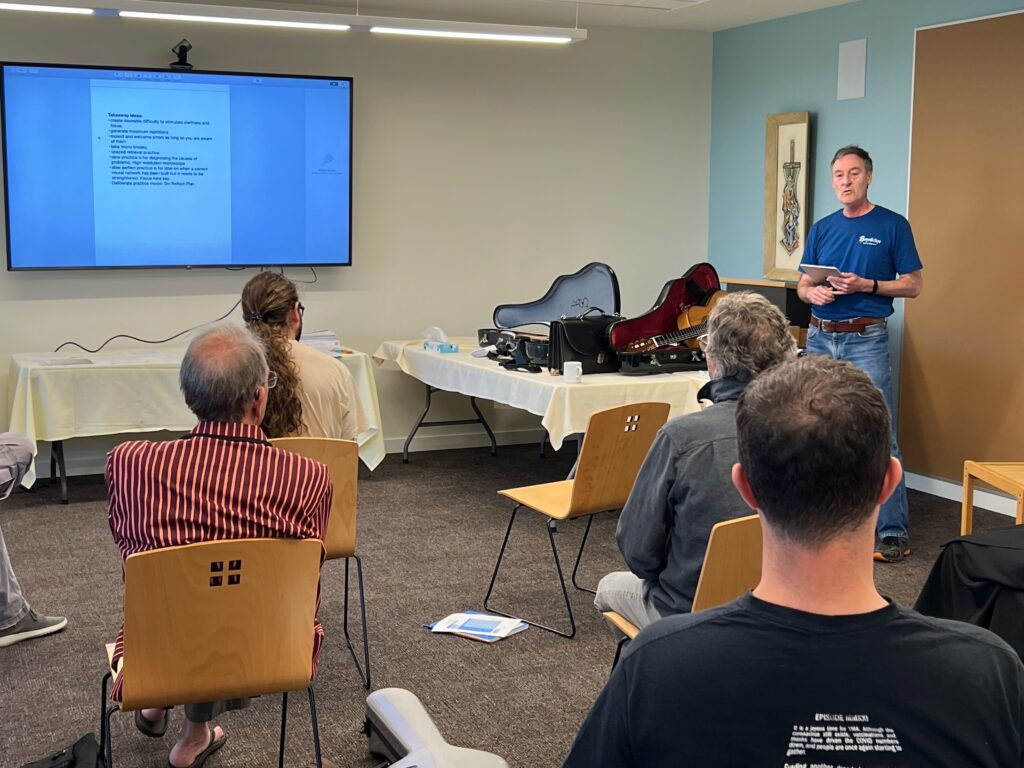
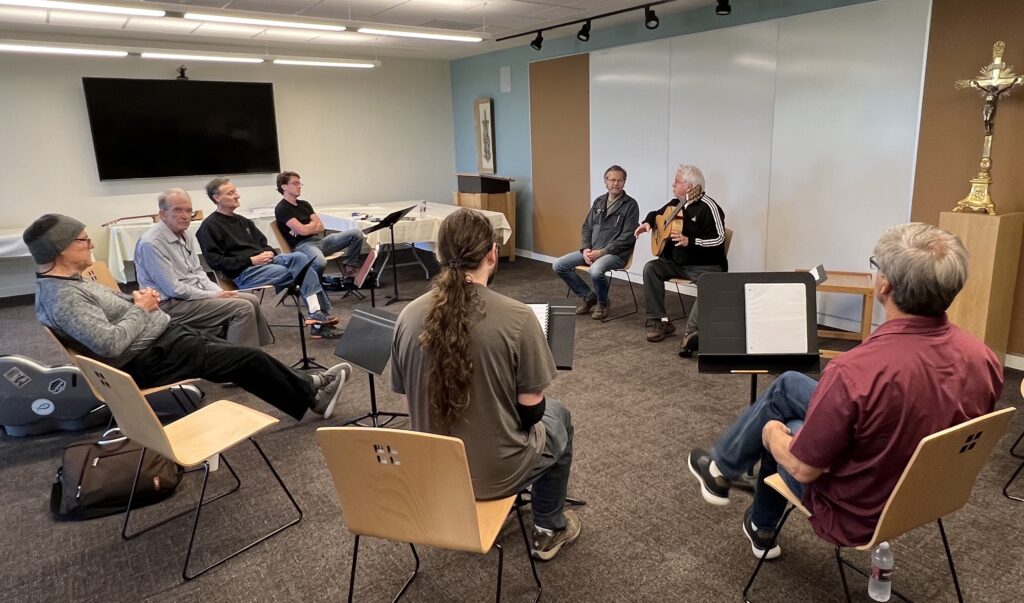
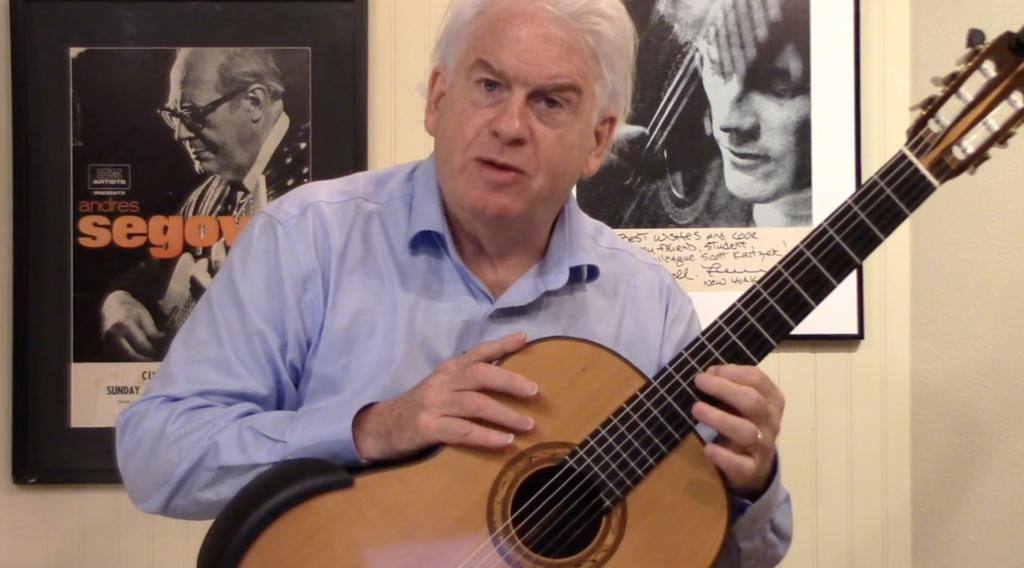
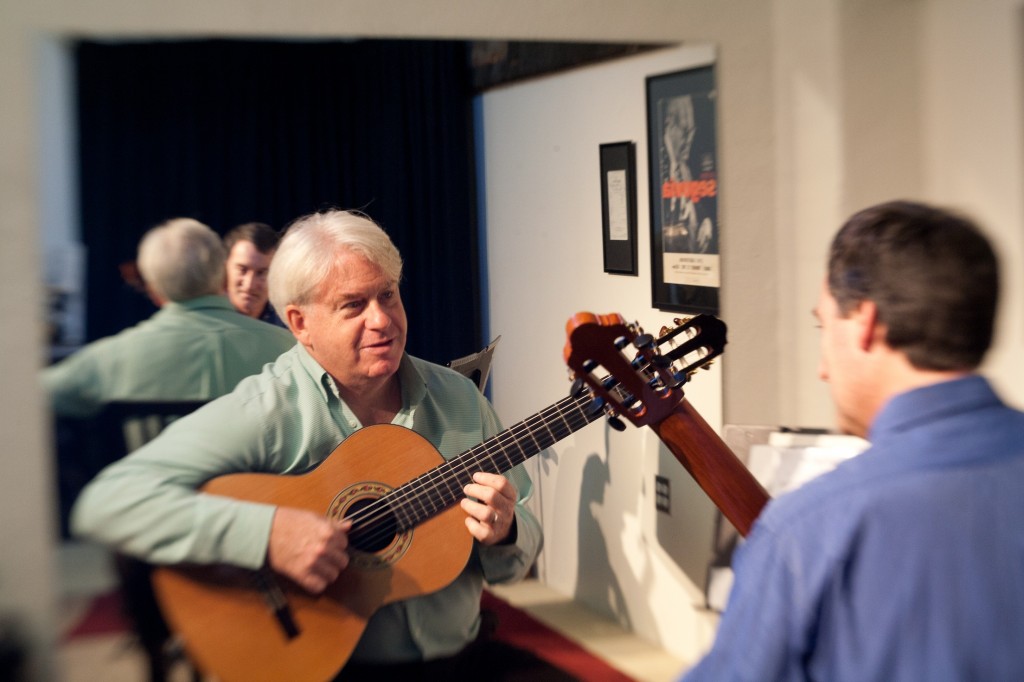
I’m excited to announce a series of monthly workshops called “Tech Talk with Scott” covering a wide range of topics regarding technique for the classical guitarist. Each workshop will cover a specific subject and in most cases I’ll work with students directly so bring your guitars! Each workshop will finish with a Q&A.
The role of technique is to establish patterns and movements that allow for the greatest accuracy with the least amount of effort – devoid of any unnecessary tension. In each workshop I’ll cover some aspect of technique for the classical guitarist that will help achieve that aim.
My first Tech Talk will cover one of the most fundamental and important skills for the classical guitarist; Mechanics of the Free Stroke. In this workshop I’ll discuss the how’s and why’s of a proper free stroke. Learn to perform this simple move correctly and you’ll experience a relaxed and accurate movement that will transform all other playing. Bring your guitars and I’ll show you the free stroke exercise that I practice almost daily.
I’ll be happy to work directly with a few students. In addition we’ll conclude with a Q & A.
The first Tech Talk w/Scott is already 1/2 full so register early.
If you’ve been playing guitar for any length of time you may notice stiffness in the arms or hands, or perhaps you’ve sustained an injury along the way. In any case you may want to start working on a series of flexibility, coordination and strength exercises. These exercises can offset the negative effects of practice. Players that practice over an hour a day can especially benefit from these exercises.
Those of you who have studied my method understand the important principles governing positioning and movement on the guitar and their benefits for technique and efficient playing. Another benefit of these skills is that you should be able to practice without incurring injuries due to misuse of the hands. But even the cleanest technique doesn’t save the hands from hours of practice. Flexibility will keep the hands ready for play. In addition, the coordination exercises will help isolate important joints that don’t get much attention and strengthening will help protect from injuries caused by overuse.
There are a myriad of stretches and exercises but those within the scope of this article have been chosen for their direct impact, allowing you to get the greatest result with a minimal time commitment.
I’d suggest going slowly here; for the first few weeks start with the first level of exercises under each category: A. Flexibility; B. Coordination; and C. Strength. Then proceed to the second and in some instances the third level only when comfortable. Follow the directives to the exercises below and your hands should be, well, in good hands.
DISCLAIMER: None of the following exercises should cause pain or even discomfort. Moderation is the key; if you currently do no stretching then start slow, adding new exercises every few weeks. Sharp pain, residual pain or any loss of strength should signal the player to stop and seek medical help. These exercises are therapeutic and not intended to cure injuries. In addition, if you’re currently experiencing an injury, do not proceed with these exercises until you’ve first addressed your injury.
The final part of this article also discusses some therapies for the player’s who hands feel fatigued or a bit sore.
A. Flexibility
Level I
General Stretch – Extensors
With the arm either fully extended or bent at the elbow flex the hand at the wrist, palm down, forming as close to a 90 degree angle as you can. Grab the large knuckles with the opposite hand, pulling down and towards the elbow, holding for :30 seconds. (Illustration below)
General Stretch – Extensors
General Stretch – Flexors
With the arm either fully extended or bent at the elbow extend the hand at the wrist, palm up, forming as close to a 90 degree angle as you can. With the other hand grab the fingers and placing the thumb of the non-stretching hand against the knuckle, under fingers. Pull downward, holding for :30 seconds.
If you’re new to stretching you might want to stay with the above exercises before proceeding.
[Note: The concept of bending the wrist at 90 degrees is to exhaust the flexors or extensor, which in turn makes the stretches effective.]
General Stretch – Flexors
Level II
Finger Stretch – Extensors
With the arm either fully extended or bent at the elbow, palm down, flex the hand at the wrist, palm facing downward, forming as close to a 90 degree angle as you can. Grab the tip of a finger and pull inward towards the elbow. Be careful to start slow here – applying too much force can strain or pull your extensor muscles. Repeat with all fingers. To stretch the thumb, pull the thumb across the palm of the hand. Hold each finger for :15 seconds. (Illustration below)
Finger Stretch – Extensors
Finger Stretch – Flexors
With the arm either fully extended or bent at the elbow, palm up, extend the hand at the wrist, forming as close to a 90 degree angle as you can. With the index finger of the non-stretching hand grab the tip of the finger on the hand to be stretched. While pulling the finger down from the tip joint push up into the middle knuckle with the thumb. Hold for :15 seconds. Repeat on all fingers. To stretch the extensors of the thumb reach under the hand and grab the tip of the thumb and towards the elbow. (Illustration below)
Finger Stretch – Flexors
You should be getting some pretty good flexibility. Stay with these exercises for a few weeks before moving on to the next level.
Level III
Finger Stretch of Extensors with Opposed Motion
With the arm either fully extended or bent at the elbow flex the hand at the wrist, palm down, coming as close to a 90 degree angle as you can. Grab the finger at the tip and pull inward and towards the elbow. When you’ve fully flexed the finger fully extend all the other fingers in a flapping motion 20 times. There is no opposed motion stretch for the thumb.
Finger Stretch of Extensors with Opposed Motion
Finger Stretch of Flexors with Opposed Motion
With the arm either fully extended or bent at the elbow and extend the hand at the wrist, palm upward coming as close to a 90 degree angle as you can. With the non-stretching hand grab the all fingers but one. The finger that is not engaged flexes from the middle knuckle only. Try to keep from pulling inward from the large knuckle. Flex 20 times per finger. There is no opposed motion stretch for the thumb.
Finger Stretch of Flexors with Opposed Motion
Level IV
Abductor Stretch and Twist
With the opposing hand spread two adjacent fingers horizontally and hold for :20 seconds. Then, keeping the opposed hand still, rotate the hand so as to swivel between the two fingers. This is a great stretch for the ligaments around the knuckle joints.
Abductor StretchAbductor Twist
B. Coordination
Level I
Middle Knuckle Isolation
Holding the hands out straight, fingers pressing together at the knuckle and the middle joint, flex from the a single finger from middle knuckle only until the finger is at a 90 degree angle to the other fingers. Flex 20 times per finger. Remember to keep the non-moving fingers steady, straight and held together. (Illustration below)
Middle Knuckle Isolation
Level II
Middle Knuckle Alternation, Adjacent Fingers
Just as in the previous exercise, hold the hands out straight, flex from the fingers’ middle knuckle only – until the finger is at a 90 degree angle to the other fingers. Now extend the finger that is flexed while simultaneously extending the adjacent finger. The fingers should pass each other at midway (45 degree angle) and finish at a 90 degree angle to each other. Repeat with each finger of the hand. Remember to still keep the non-moving fingers steady, (straight and held together).
Middle Knuckle Alternation, Adjacent Fingers
Level III
Middle Knuckle Isolation, Non-Adjacent Fingers
Holding the hands out straight, fingers pressing together at the knuckle and the middle joint, flex every other finger (on the right hand that would be the I and A fingers, on the left hand that would be fingers 1 and 3) from the fingers’ middle knuckle only – until the fingers are at a 90 degree angle to the other fingers. Flex 20 times per set of fingers.
C. Strength
There are a number of tools available to guitarists for strengthening the hands but I like to focus on equally effective exercises that can be done anywhere, anytime. In 1979 I was part of a Strength Study for classical guitarists at the San Francisco Conservatory of Music. We were tested before and after practicing the following exercises and our strength improved greatly.
Extend and Flex
Hold the arms out and fully extend the fingers outward and extend them sideways as far as possible, then flex the fingers into a tight fist. Both hands can be done simultaneously. Start out with 25 repetitions. If you can, build up to 100 reps.
Extend and Flex
The Fan
Hold the arms out, palms upward with fingers fully extended. Begin to rotate the hands by puling the thumbs towards the palms, followed by the index, middle and other fingers, rotating the the hands so that finally the palms are facing downward and all the fingers are covering the thumbs. Squeeze as hard as comfortable.
Now repeat in the opposite manner; rotating outward first from the little fingers followed by the ring, middle, index and thumbs. The hands should be spread wide open with as much force as possible, palms facing upward. Start out with 25 repetitions. If you can, build up to 100 reps.
Both hands can be done simultaneously.
Therapeutics
Contrast Therapy
I’m not a big fan of icing except under extreme circumstances. A more effective way of dealing with fatigued hands and muscle soreness is by alternating soaking the hands in cold and hot water. By alternating between the two temperatures you’re restricting and opening the capillaries and removing excess lactic acid. It’s a bit of a hassle (be sure to grab a towel before you get started). Water in the cold container should be between 50-59°F, and water in the hot container should be between 95-113°F.
You can fill up a couple of large bowls one with cold water and the other with hot tap water. Put both hands in the cold water for about a minute and then the hot water for the same duration. I like to repeat about four times, ending with the hot bath.
If you’d like to treat your arms as well you can either fill up two sides of the kitchen sink or, use the bottom parts of an unused kitty litter container.
This should be avoided if you’re concerned about arrhythmia, if have you open wounds, heart issues, high blood pressure or deep vein thrombosis.
Paraffin Wax Treatment
If you want the deluxe treatment I’d highly recommend purchasing a professional grade paraffin wax bath. It’s more involved than the cold/hot bath treatment as the wax can take up to 8 hours to melt but it can really keep the hands feeling fresh.
Posted inGuitar Tips|Comments Off on Post Practice Hand Stretches and Exercises
I’ll be bringing over four decades of teaching, performing and recording experience to a series of 1 hour workshops over the next 6 months via Zoom. The next three workshops will be :
Care and Maintenance for the Guitarist’s Hands (post practice stretching & care)
The BioMechanics Behind an Effective Free Stroke
Learning the Guitar as an Adult: Taking Advantage of Brain Science (or How to Get More out of Your Practice)
Workshop participation requires that you subscribe to my website. Registration will be limited so sign up early at the Zoom link provided!
Workshop # 1 – April 27th @ 1:00 PM PDT – Care and Maintenance for the Guitarist’s Hands
If you’ve been playing guitar for any length of time you may notice stiffness in the arms or hands, or perhaps you’ve sustained an injury along the way. In any case you may want to start working on a series of flexibility, coordination and strength exercises. These exercises can offset the negative effects of practice. Players that practice over an hour a day can especially benefit from these exercises.
Workshop # 2 – May 18th at 1:00 PM PDT – The BioMechanics Behind an Effective Free Stroke
The role of technique is to establish patterns and movements that allow for the greatest accuracy with the least amount of effort – devoid of any unnecessary tension. In this article we’ll discuss the how’s and why’s of a proper free stroke.
The free stroke is the most fundamental of strokes for the classical guitarist. Learn to perform this simple move correctly and you’ll experience a relaxed and accurate movement that will transform all other playing. Conversely, perform this incorrectly and you’ll work harder for accuracy.
Workshop # 3 – June 8th at 1:00 PM PDT – Learning the Guitar as an Adult: Taking Advantage of Brain Science
Often the adage of practicing more can lead to diminishing results. Student Tom Page will lead a lecture on using current brain science and how we can practice more effectively. Scott Kritzer will follow-up with how to devise an efficient and effective practice plan and schedule.
June 24th – June 29th, 2024 Mt Angel Abbey, Mt Angel, Oregon – Scott Kritzer
Classical Guitar Immersion is 10 month program that culminates in a 6 day workshop held each June at the Mt. Angel Abbey (located 1 hour south of Portland, Oregon). The purpose of CGI is to help the amateur or professional player overcome the effects of performance anxiety through the application of professional level work and concepts developed I’ve developed in over 40 years of touring and recording.
Mastering the Stage
Over the past two years CGI has focused first on Advanced Technique and then integrating those skills into last year’s subject; Breaking the Musical Code. Mastering the Stage is the natural fruition of these and new skills that will give players professional level tools on how to manage the unexpected that is bound to happen on stage. Learning how to anticipate and recover seamlessly from mistakes goes a long way to combating performance anxiety.
Mt. Angel Abbey
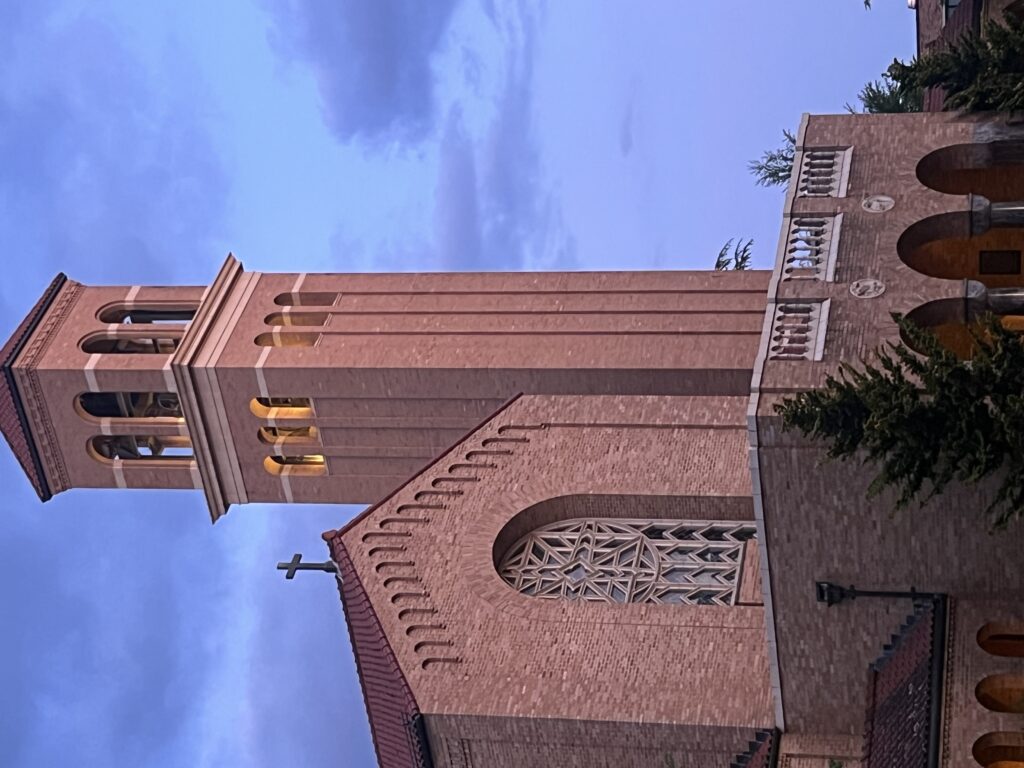
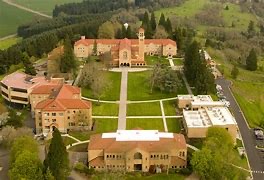
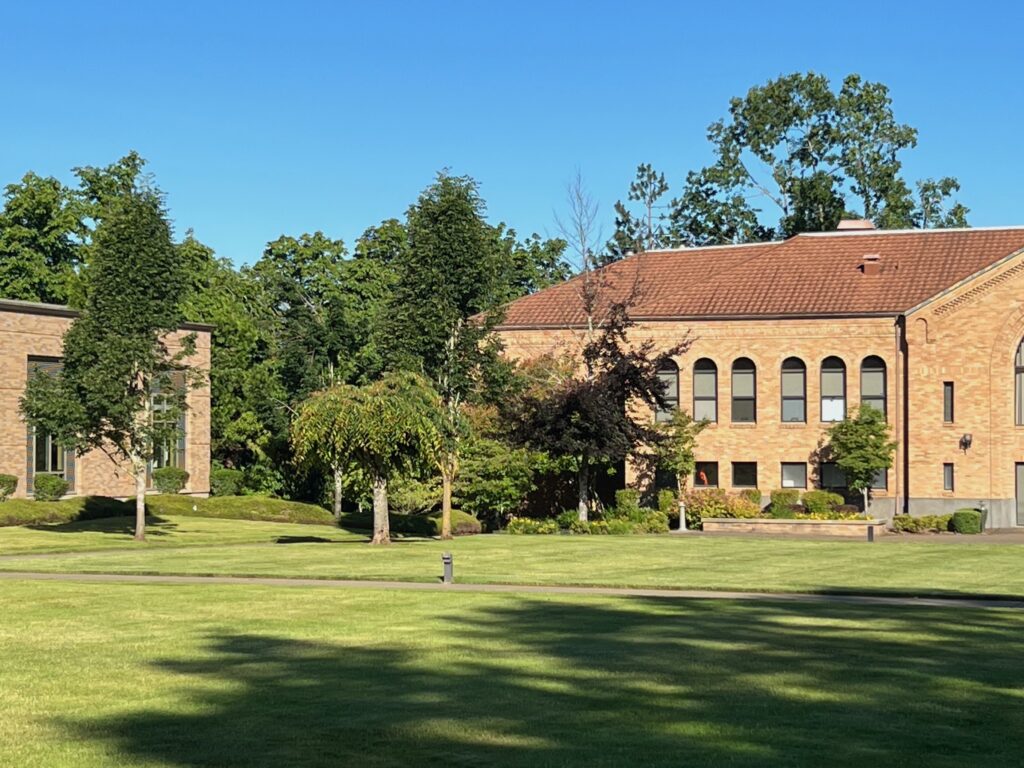
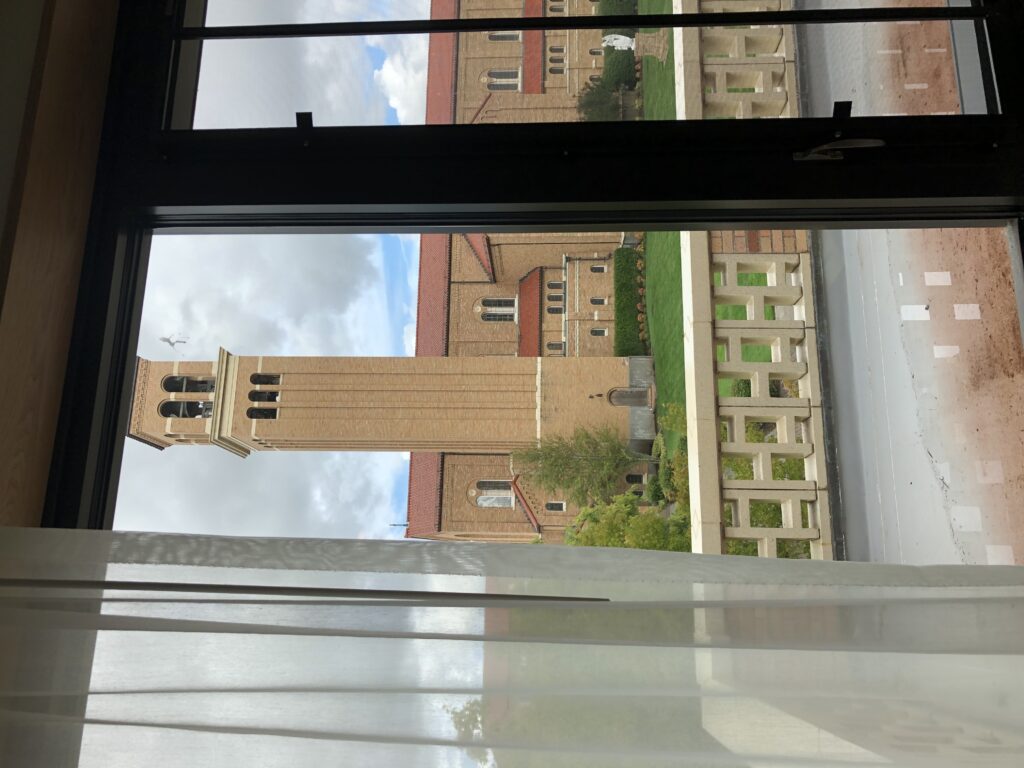
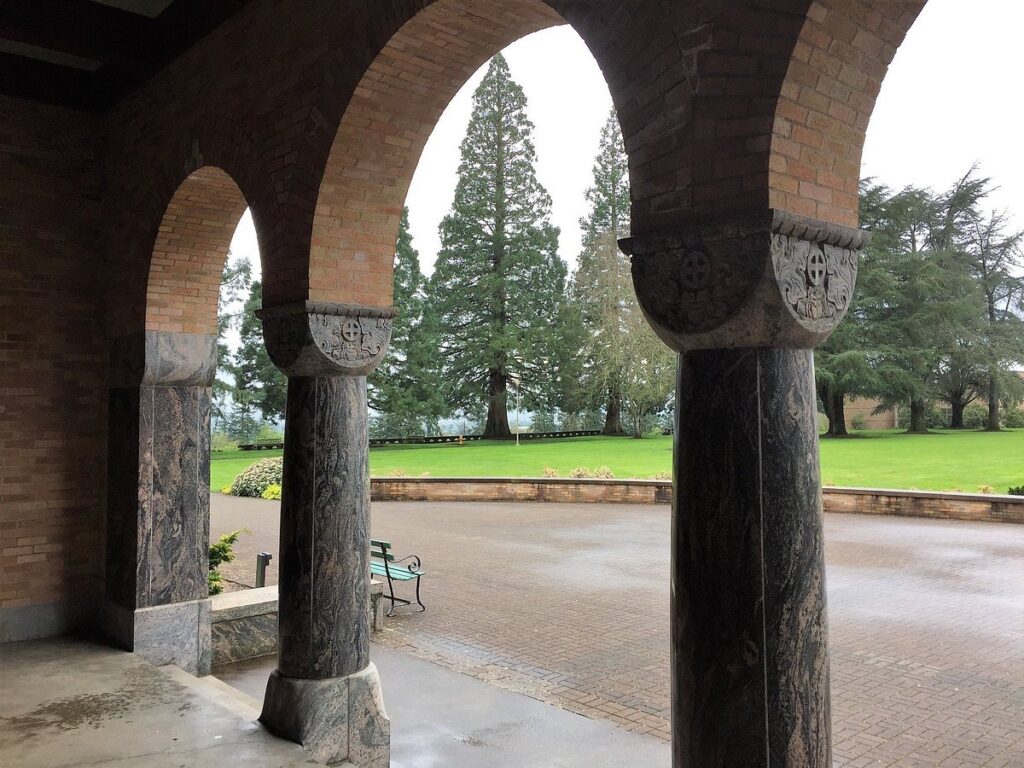
Mt. Angel Abbey located in Mt. Angel, Oregon. This ideal location provides private and modern accommodations, modern classrooms and dining facilities, all located in the Guesthouse, and an auditorium for our formal performances located in the renowned Aalto library.
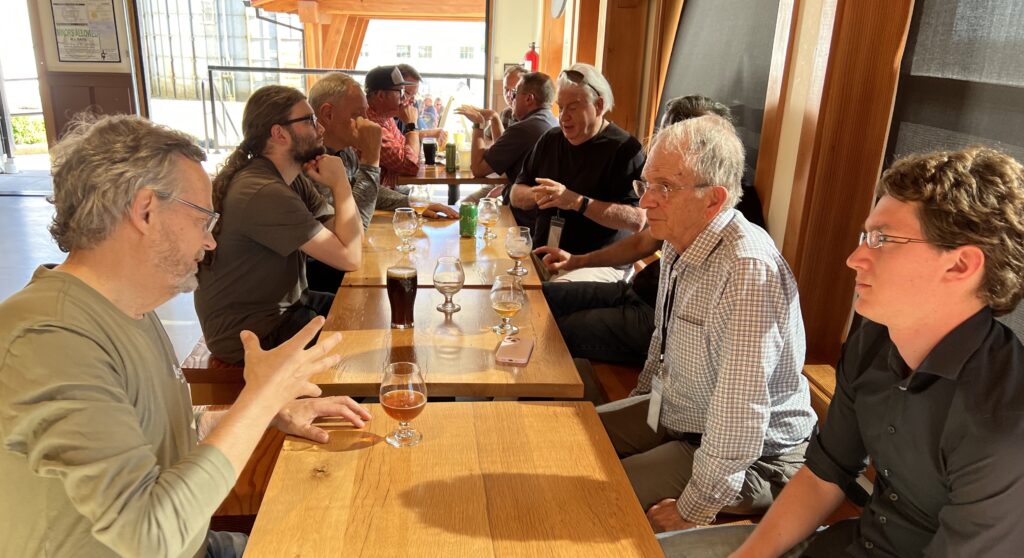
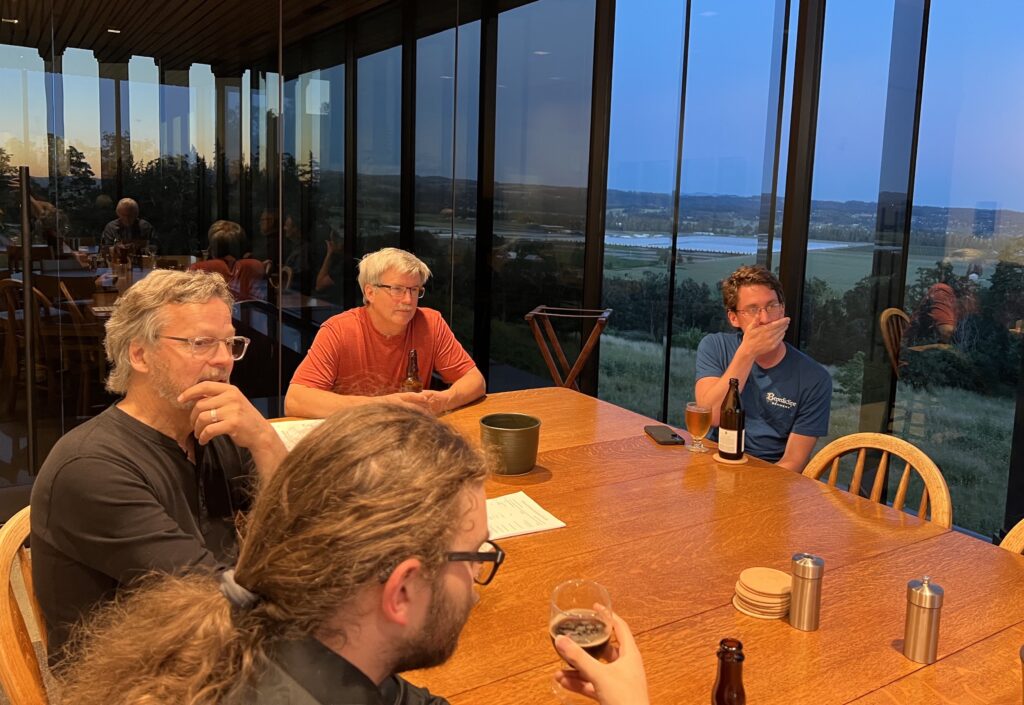
Mt. Angel Abbey is great retreat to absorb information and to immerse yourself in a disciplined art like the classical guitar. A Coffee Shop and Bakery as well as one of Oregon’s best breweries provide some distractions – but there’s always a time and place for some extra practice.
Masterclasses, Technique Workshops, Performances and Lectures
Students arrive at CGI prepared to put the finishing touches on their solo repertoire. Morning and afternoon masterclasses taught by me are followed by an evening technique workshop.
Building Speed Through Cell Bursts
I’ll be leading a workshop on building speed in scales, arpeggios, studies and repertoire excerpts.
CGI Daily Schedule
The following schedule is subject to change.
7:00-7:30 Breakfast
7:30-9:00 Practice/Free Time
9:00-12:00 Master Class Group A (Westminster Meeting Room)
12:15-12:45 Lunch (Dining Room, Abbey Guesthouse)
1:00-4:00 Master Class Group B (Westminster Meeting Room)
4:00-6:00 Practice/Free Time
6:00-6:30 Dinner (Abbey Retreat Dining Hall)
7:00-8:00 Building Speed Through Cell Bursts (Westminster Meeting Room) This class meets on Tuesday and Thursday.
Saturday, June 29th Schedule
7:00-7:30 Breakfast
7:30-9:00 Practice/Free Time
9:00-12:00 Master Class Group A (Westminster Meeting Room)
12:15-12:45 Lunch (Dining Room, Abbey Guesthouse)
1:00-2:30 Building Speed Through Cell Bursts (Westminster Meeting Room)
4:00-6:00 Practice/Free Time
6:00-6:30 Dinner (Abbey Retreat Dining Hall)
6:45-7:45 Concert Warm-up
Public Performance Schedule – Aalto Library Auditorium
Maria Shim, Cello & Scott Kritzer, guitar; Tuesday, June 25th, 7:30-8:30 PM Works by Bach, Paganini, Schubert and others
Madeline Okano; Friday, June 28th, 7:30-8:30 PM. Works by Johanson, Villa-Lobos, Brouwer and other.
CGI Student Recital; Saturday, June 29th, 7:30-8:30 PM
Lecture: Learning an Instrument and Memorization as an Adult, Tom Page. Saturday, June 29th 11:00-12:00 Westminster Meeting Room
Cost
The cost for CGI is $2495. This includes meals, lodging, attendance for all masterclasses, workshops, rehearsals and performances. The fee also includes eight workshops that I’ll be holding from the fall through the spring.
The cost for CGI is $2495. This includes meals, lodging, attendance for all masterclasses, workshops, rehearsals and performances. The fee also includes eight workshops that I’ll be holding from the fall through the spring.
Requirements
All participants should be able to play up to 3 works from memory and all skill levels are welcome. Participants will need to also attend the monthly workshops. If you’re not currently a student of Mario Diaz or myself, a meeting either in person or via Zoom will be required.
Important Dates
July 30th – Past & Potential New Attendees Zoom Meeting*
August 14th – 2022 CGI Participants Deposits Due
August 15th- Open Enrollment Begins
September 24 – May 27 (fourth Saturday of each month, except for a December break) Mastering the Stage
CGI ‘23 – June 26 – July 2 2023, Mt Angel Abbey, Mt Angel, Oregon – Scott Kritzer with Mario Diaz
Classical Guitar Immerions is 10 month program that culminates in a 6 day workshop held each June at the Mt. Angel Abbey (located 1 hour south of Portland, Oregon). The purpose of CGI is to help the amateur or professional player overcome the effects of performance anxiety through the application of professional level work and concepts developed through my popular course Performance Anxiety Rehab. Performance anxiety robs us of our potential its my goal to help you overcome those affects.
CGI’s New Home
CGI has moved from a private home in 2006, to Lewis & Clark College, then to the Menucha Retreat and Conference Center and now, its most ideal setting, the Mt. Angel Abbey located in Mt. Angel, Oregon. This ideal location provides private and modern accommodations, modern classrooms and dining facilities, all located in the Guesthouse, and an auditorium for our formal performances located in the renowned Aalto library.
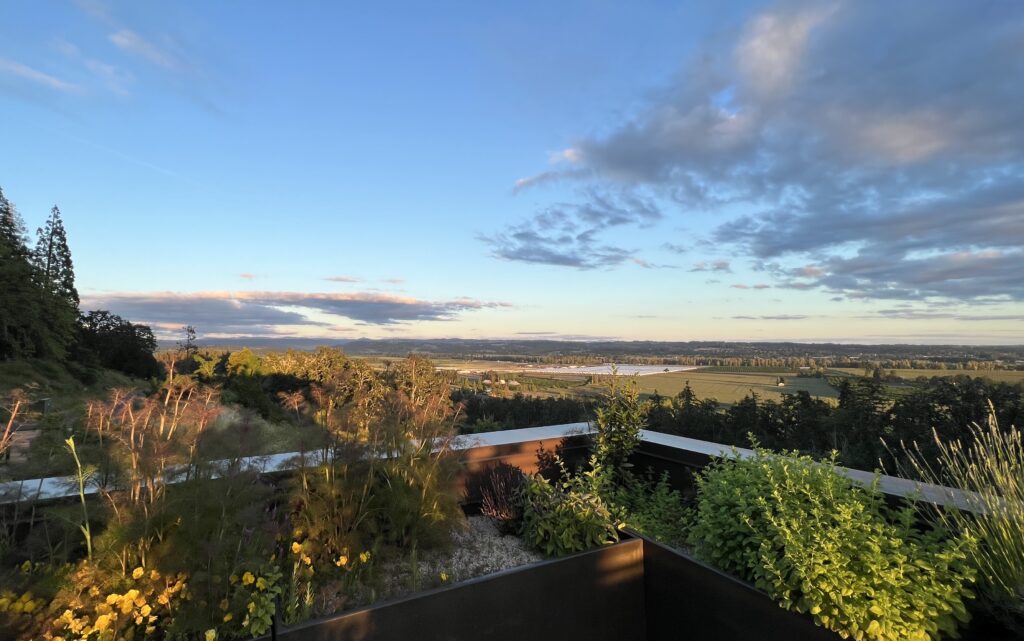
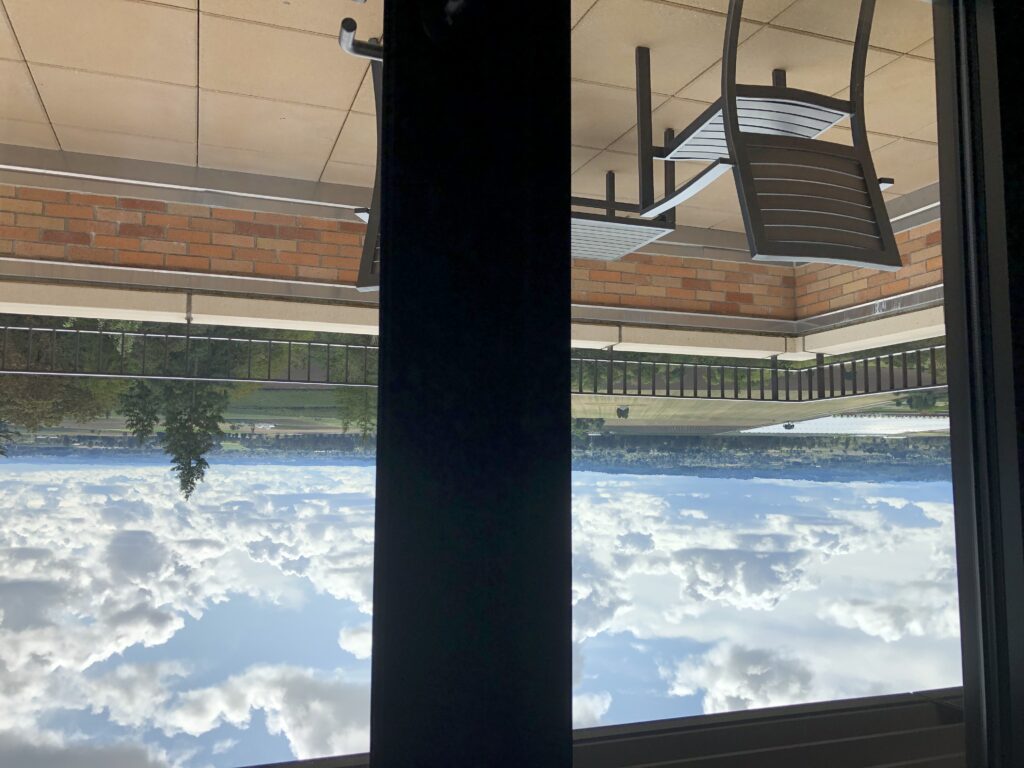
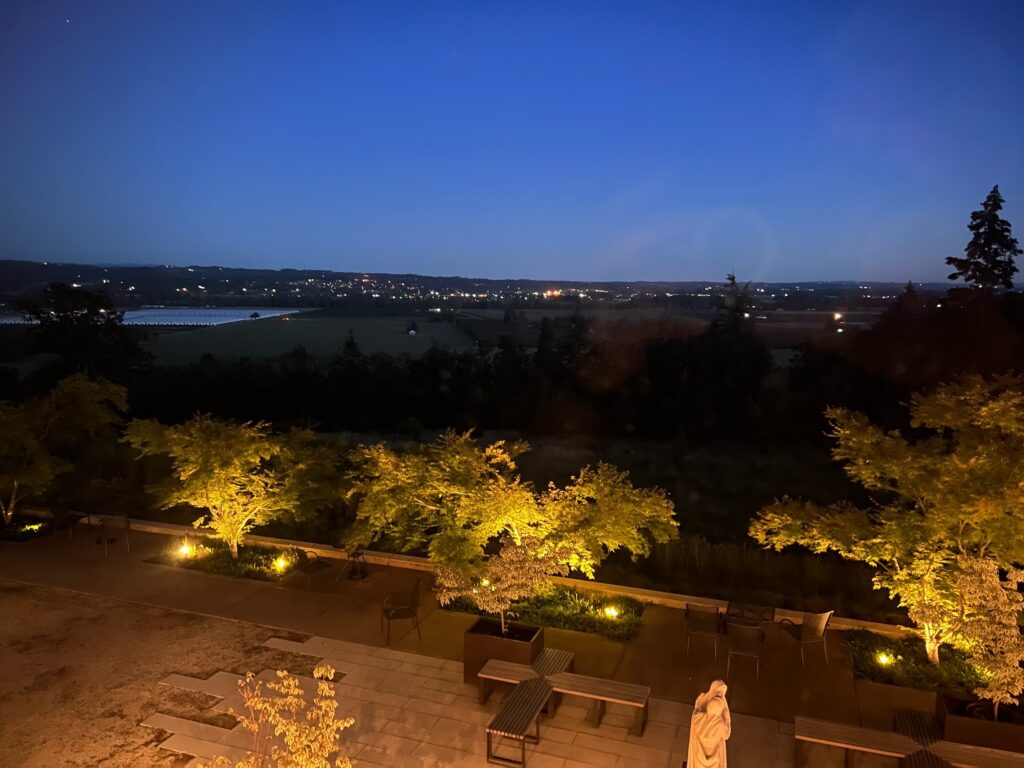
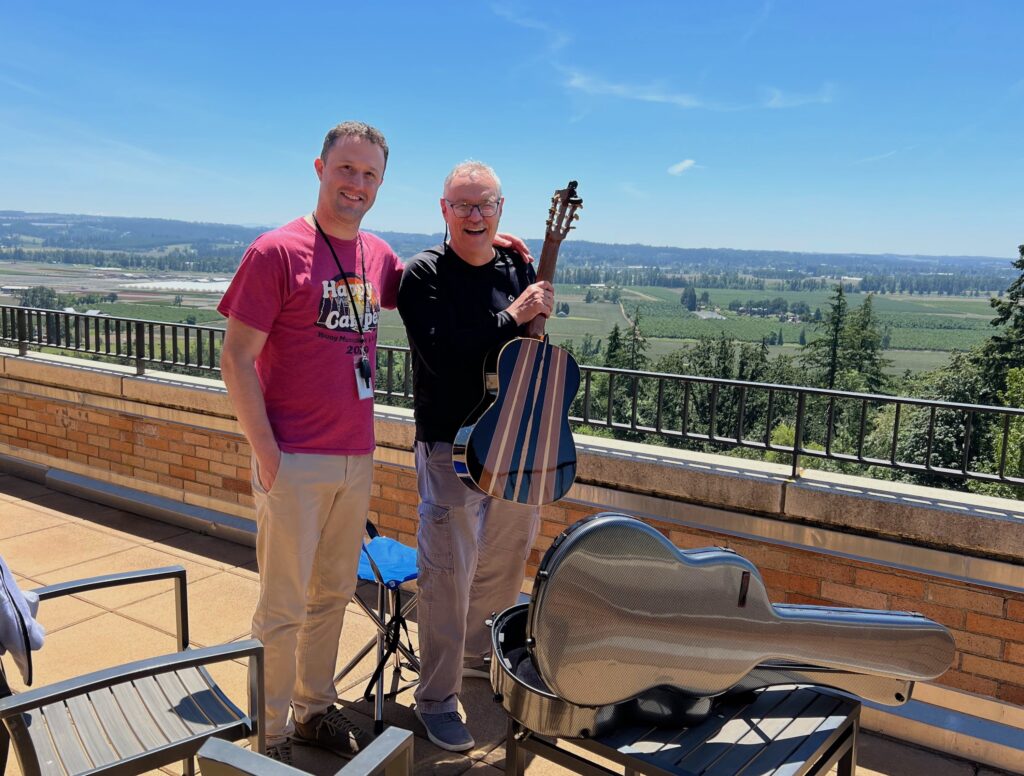
In addition there is a coffee shop, bakery, and brewery, all located on the meditative grounds of the Abbey which features a 360 degree view of the Willamette Valley. Students can also treat themselves to morning sunrises and evening sunsets from the many rooftop patios. The setting at the Mt Angel Abbey promotes and facilitates the focus and reflection that deepens the learning experience of CGI.
More Than a Week in June
While CGI is scheduled for a week in June, our work begins in the previous September. Beginning in September I’ll lead a monthly workshop to help better prepare the students. This September I’ll teach my Fretboard Theory course. Beginning in January, with our pieces chosen and learned, we’ll work on practice techniques and performance preparation. When the student arrives at CGI we implement simple aspects of performance development that adds the finishing touches. In addition, in the fall, Mario will begin working quarterly with players on the CGI Ensemble repertoire.
Classical Guitar Immersion (CGI) has focused on the development of performance skills, with a different emphasis each year. This is achieved by focus on technical excellence, practice development, musicianship and performance skills that include coping with and eliminating the effects of performance anxiety.
Master Classes, Ensemble Rehearsal and Student Lectures
CGI ‘22 focused on Advanced Technique, a 12-week course that introduced left and right hand relaxation techniques into already learned technical skills. The result in this year’s performances were fewer errors and better musicianship.
CGI ‘23’s theme will be “Breaking the Musical Code” where we will develop the musical expression tools of timbre, dynamics and rhythm along with musical analysis, Fretboard Theory, and finally, the introduction of the Musicianship Practice Directives. Breaking the Musical Code will lead to more refined and musically satisfying performance skills.
In addition to our new location I’ve invited guitarist Mario Diaz to assist again this year. Last year he lead the CGI Ensemble and assisted in teaching some of the workshops. With his addition we will expand CGI to accommodate more players into the immersion experience.
Also, we are looking forward to continuing our opening day festivities of a luthier exhibit and presentation with Jeffrey Elliott, Cindy Burton and Gregory Miller as well as an opening night performance by Mario and myself.
CGI ’23
CGI participants will work with Mario and myself in master classes and ensemble rehearsals in preparation for our final performance.
Performers will form two groups; Groups A & B. Group A performers will work with me in the morning master class and Group B performers will work with Mario Diaz in the afternoon masterclass. Each group should plan on auditing the other group’s class. Practice and free time is built into the CGI Schedule (below)
The final day of CGI will consist of three performances. Group B will perform for all members of CGI as well as monks from the Abbey. This morning performance will take place in Westminster Classroom.
In the afternoon Groups A & B will join forces for the CGI Ensemble concert. Following a dinner break Group A will then play a formal recital. Both the Ensemble and Performer Group A recitals are open to the public and take place in the Aalto Auditorium.
Below you’ll find an example of the CGI schedule.
CGI Daily Schedule
The following schedule is subject to change.
7:00-7:30 Breakfast
7:30-9:00 Practice/Free Time
9:00-12:00 Master Class Group A (Westminster Meeting Room)
12:15-12:45 Lunch (Dining Room, Abbey Guesthouse)
1:00-3:30 Master Class Group B (Westminster Meeting Room)
CGI 23 will feature performances and lectures that are free and open to the public. On Monday, June 26th, world renowned luthiers Jeffrey Elliott, Cyndy Burton and Gregory Miller return for a popular workshop on “The Care and Feeding of Your Instrument”. Featured instruments from the luthiers will be available for viewing.
Luthier Discussion “Care and Feeding of Your Instrument”
Also on Monday, June 26th Mario Diaz and Scott Kritzer will share the stage for opening evening performance featuring works by Harrison, Bach, Default and others.
Scott Kritzer and Mario Diaz in Performance
Public Performance Schedule*
Please Note: all public events will be held in the Alvar Aalto Library
Monday, June 26th, 4-6 PM; “Care and Feeding of Your Instrument” with Jeffrey Elliott, Cyndy Burton and Gregory Miller
Monday, June 26th, 8-9 PM; Mario Diaz and Scott Kritzer in concert
Saturday, July 1st, 4-5 pm; the CGI Ensemble Concert
Saturday, July 1st, 8-9 pm; the CGI Performer’s Concert
*subject to change
And on our final day, Saturday, July 1st, we have two performances. First, an afternoon CGI Student Ensemble performance that may also feature some of this year’s auditors. And, our final evening performance featuring our CGI Performers.
The Performers Recital
Cost
The cost for CGI is $2495. This includes meals, lodging, attendance for all masterclasses, workshops, rehearsals and performances. The fee also includes eight workshops that I’ll be holding from the fall through the spring.
Deposit
Participants need to send a non-refundable deposit of $495 to be admitted. This deposit will hold your spot or keep you on a waiting list. This deposit also allows you access to the monthly workshops.
Requirements
All participants should be able to play up to 3 works from memory and all skill levels are welcome. Participants will need to also attend the monthly workshops. If you’re not currently a student of Mario Diaz or myself, a meeting either in person or via Zoom will be required.
Important Dates
August 13 – Potential New Attendees Zoom Meeting*
August 15, 2022 – 2022 CGI Participants Deposits Due
August 16 – Open Enrollment Begins
August 28 – CGI 2023 Participants Zoom Meeting
September 24 – May 27 (fourth Saturday of each month, except for a December break) Breaking the Musical Code: Fretboard Theory; Practice, and Performance Development Workshops
March 31, 2023 Final Deposit Due
June 26-July 2 – 2023 CGI Mt Angel Abbey
*All ZOOM meetings begin at 1:00 pm, PDT and are recorded.
CGI often sells out but with the expansion of our openings we can offer a rare chance to not only get in to CGI this year but future year’s as well.
Mario and I will be holding an Introduction to CGI on Saturday, August 20 at 1:00 pm PDT via Zoom. Here we can answer your questions regarding CGI. If you’re interested in attending CGI you should attend the meeting. Just contact me via email and I will send you the login information for the meeting.
Posted inGuitar Tips|Comments Off on Classical Guitar Immersion – Overcoming Performance Anxiety
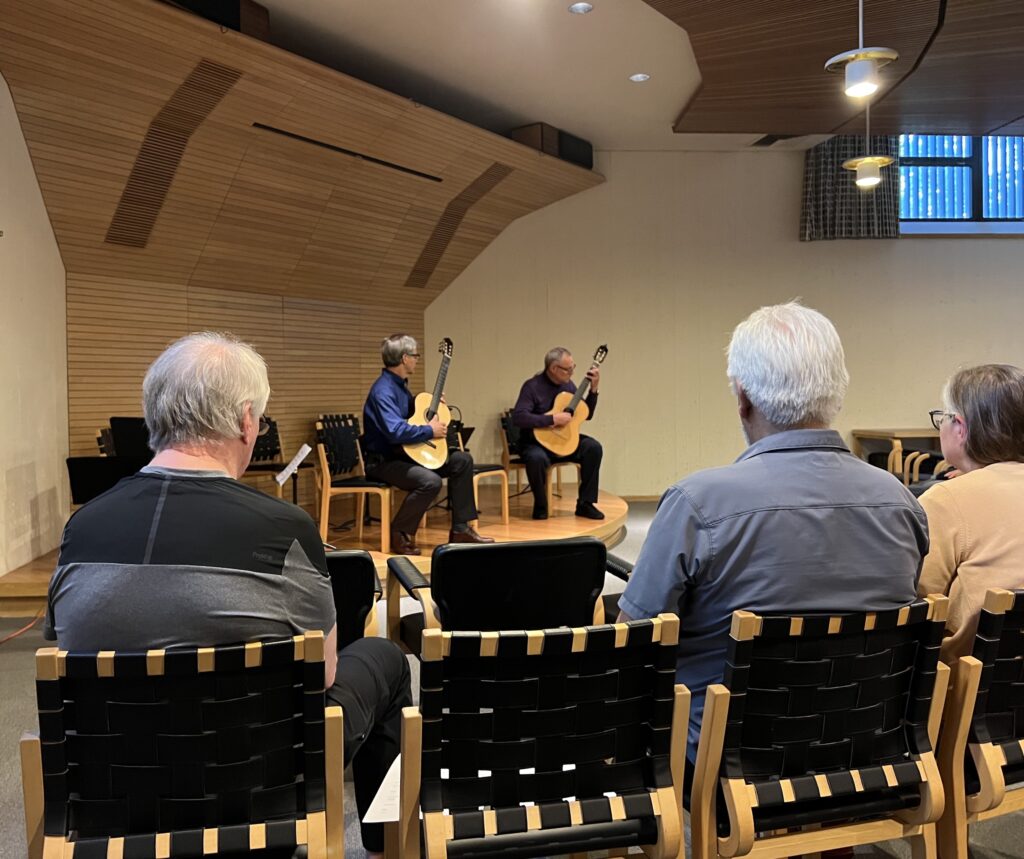
I’m excited to announce the CGI Concert and lecture schedule, all free and open to the public. All concerts take place at the Aalto Library Auditorium at the Mount Angel Abbey in Mt. Angel, Oregon.
Maria Shim cello, Scott Kritzer, guitar on Tuesday, June 25th @ 7:30 pm in the Aalto Library Auditorium
Maria will perform Bach’s 1st Cello Suite, often performed on the guitar. Scott will join Maria for works by Casseus, Paganini and Schubert.
Maria Shim is a sought-after cellist deeply rooted in the tradition of proven cello technique. Her musical journey began at age four with cellist Anne Grabe when she embraced both the piano and cello. By age six, she decided to focus solely on cello and had lessons with Irene Sharp, following the acclaimed Margaret Rowell’s curriculum, which now shapes her approach to teaching. She later had lessons with Ken Finch and Steven Pologe.
Maria’s remarkable talent shone early in her career, making her solo debut with the Oregon Symphony, where she delivered a soulful interpretation of Elgar’s Cello Concerto after triumphing in the Young Artist MetroArts Concerto Competition.
In 2013, Maria embarked on her studies at the Juilliard School of Music, where she trained under the guidance of Fred Sherry for seven transformative years. Along her musical journey, she received valuable lessons and coaching from esteemed mentors, including Ralph Kirshbaum, Frans Helmerson, Astrid Schween, Amit Peled, Lara Lev, Jeffrey Solow, Paul Neubauer, and Daniel Philips. Currently based in Portland, Oregon, Maria leads a vibrant teaching studio, extending her influence to the East Coast. Her students have achieved remarkable success, securing principal chairs in youth symphonies, earning top honors in state and national competitions, and debuting with renowned orchestras, including the Oregon Symphony and Eugene Symphony.
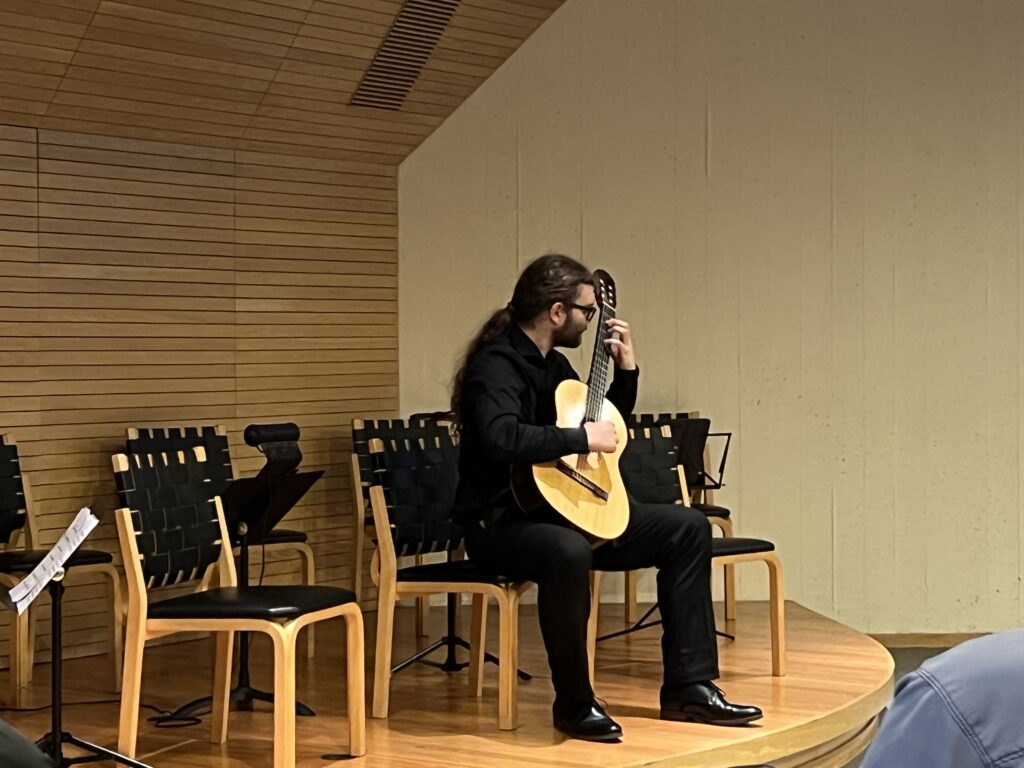
Madeline Okano, guitar on Friday, June 28th @ 7:30 pm in the Aalto Library Auditorium
Madeline will perform works by Bach, Johanson, Brouwer and others.
Madeline Okano is a multi-instrumentalist and began playing classical guitar at the early age of five and the violin from age nine. Madeline studied the Suzuki method in depth using it as a strong foundation for her development. When she moved to Portland as a teenager, Madeline was accepted into the prestigious Portland Youth Philharmonic and developed a deep appreciation for music performance and has been performing ever since.
Madeline holds a Bachelor’s degree of Music in Guitar Performance from Portland State University. She studied under notable guitarists Mario Diaz, and Scott Kritzer. In addition, she also has studied music composition with pedagogue Lisa Neher.
Madeline has performed in masterclasses for world renowned classical guitarists including Sharon Isbin, Odair Assad, Martha Masters and Raphael Fuillatre.
CGI Student Recital on Saturday, June 29th @ 7:30 pm in the Aalto Library Auditorium
Works to be performed by Villa-Lobos, Torroba, Satie, Walton, Llobet and others! The CGI students will have been working on week on final preparations. The program is fun and varied and always a local favorite!.
Lecture – Learning an Instrument and Memorization as an Adult, Tom Page in the Westminster Meeting Room
This lecture delves into the recent research in brain development as it relates to practice and memorization. The lecture is open to the public.
Posted inGuitar Tips|Comments Off on Classical Guitar Immersion – Concert Schedule
First off, thanks for the great response to my SKStudio Private Lesson openings. CURRENTLY ALL SPOTS ARE TAKEN….but, I anticipate opening a handful more in September 2023 so if you’re interested join my waitlist. And I’m making a one time offer that is hard to beat. (Beginners to professional players welcome)
Waitlist Benefits
Sign up for my Private Lesson Waitlist and you’ll get a no-obligation lesson. I’ll give you my suggestions on technique, repertoire choice or how to organize your practice. And you’ll have first access to any new lesson openings.
With your Waitlist spot you’ll also have access to my proven method Primary Skills Development. Primary Skills has been tested in University programs, by absolute beginners and professional players alike. All to a resounding success! And you’ll gain access before it’s released to the public.
The cost is for only $19.99 per month. But I’m going to make that even sweeter….
Tech Talk w/Scott
Monthly Online Workshop
Tech Talk with Scott will explore the foundation for a solid technique for the classical guitarist. Subjects will focus around proper positioning, efficient movements and technical exercises that can aid in a more relaxed, more efficient way of playing resulting in better accuracy and faster playing.
I’m about to announce some big news and in preparation I’ve opened up new online private teaching slots. Prospective students can schedule an introductory meeting where I’ll give you a free technical evaluation and offer some helpful advice on exercises and practice. I’ll also explain all the offerings at the Kritzer Studio (including my new video offering Lesson Insights.) Email me or read on!
The Kritzer Studio is a learning organization where shared experience often creates new concepts for learning the classical guitar. As a teacher/performer I’m always looking to learn new things and it’s mine and my student’s needs and development that gives me insight into more effective concepts for learning.
“Taking lessons from Scott is very much like being a graduate student in a professor’s lab. He embodies the philosophy that a musician should be simultaneously a performer, a teacher, and a student.” Tom P.
Often it’s in lessons where the birth of a new learning concept, or even it’s clarification takes place. I call these bits of information Lesson Insights.
I am making these monthly Lesson Excerpts videos available to private students in the Kritzer Studio, or those on the Kritzer Studio Wait List.
In addition Private Students will gett:
Bi-weekly lessons
Accessibility to recorded Lesson Video
Access and direction through my Primary Skills Developement online Course
Access to Classical Guitar Immersion
(Kritzer Studio Lesson Insights)
“Scott’s curriculum is comprehensive and our biweekly private lessons are focused on how to improve my technique using his vast knowledge and experiences. Personable, persuasive and with a great sense of humor Scott works with me towards our common goals…interpretation, expression, and enjoyment.” Michael Faloon
Anyone considering lessons can contact me at email and we’ll set up an introductory meeting. At this meeting I’ll assess your technique and general playing and offer suggestions for improvement. I’ll also outline what studying would encompass.
I am comfortable working with beginner through professional players. For more information go to my Private Instruction page.
“Finally a Method who shows you the “why” and the “how”! The “DNA of Movement” when you play guitar. I have never seen something like this in my 20 years of experience as a professional classical guitarist and instructor. My right hand has become more relaxed and faster scales and arpeggios are not a problem anymore, even on stage! Thank you Scott!“ Nicolas Kyriako
Posted inGuitar Tips|Comments Off on Online Lesson Openings in Kritzer Studio & Announcing Lesson Insight Videos
Fantasy on E Lucevan by Glenn Morley A work written for the Chvatal/Kritzer Duo and orchestra. February 14th, 2022 (available on all streaming platforms)